Cincinnati Commercial Painting  |  (513) 930-0169  |  Call for a Free Estimate

Author: admin

  • Interior vs. Exterior Commercial Painting in Cincinnati: Timing, Weather, and Planning

    Interior vs. Exterior Commercial Painting in Cincinnati: Timing, Weather, and Planning

    When Cincinnati property managers plan a painting project, one of the first questions is deceptively practical: should we do the interior, the exterior — or both? And when? Interior and exterior commercial painting are governed by different rules. Interiors can be painted nearly year-round with the right planning. Exteriors live and die by the weather. Understanding the differences helps you sequence projects, budget accurately, and book contractors at the right time.

    This guide breaks down how interior and exterior commercial painting differ in Cincinnati — the timing, the weather constraints, the products, and the planning — so you can make smarter decisions about your building. For budgeting help, see our guide to commercial painting costs in Cincinnati, and for maintenance cycles, our repaint timeline guide by property type.
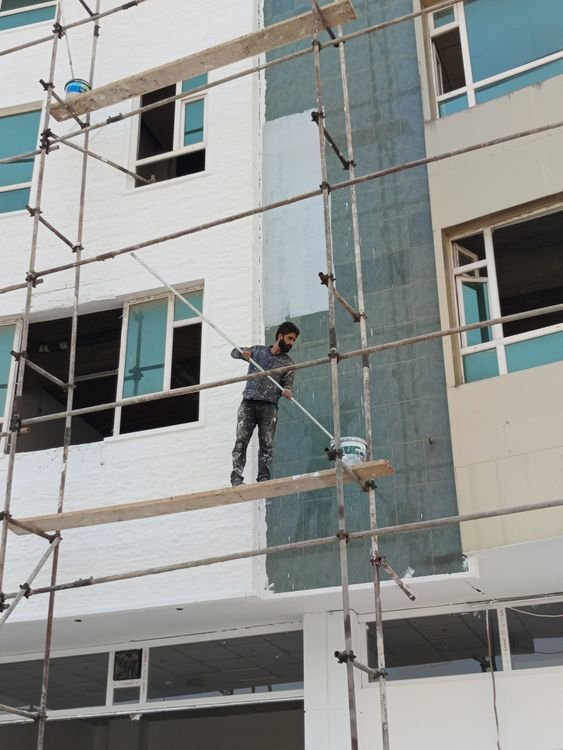
    Commercial building exterior freshly painted

    Interior and Exterior Are Fundamentally Different Projects

    It’s tempting to think of “painting the building” as one job, but interior and exterior work differ in almost every dimension that matters for planning:

    • Environment: interiors are climate-controlled; exteriors face UV, rain, wind, and temperature swings.
    • Products: interior coatings prioritize scrubbability, low odor, and appearance; exterior coatings prioritize UV resistance, moisture protection, and flexibility through temperature cycles.
    • Scheduling: interiors can be done nights and weekends year-round; exteriors need specific weather windows.
    • Surface prep: exterior prep often involves power washing, scraping failing paint, and substrate repairs; interior prep centers on drywall repair, patching, and protection of contents.
    • Disruption: interior work happens around occupants; exterior work happens around weather, landscaping, parking, and building access.

    Budget them separately, schedule them separately, and specify products separately — even when the same contractor does both.

    Cincinnati’s Seasons and What They Mean for Painting

    Our region’s climate shapes every exterior painting decision. Here’s the honest seasonal picture:

    Spring (April–May): Exterior season begins, but cautiously. Temperatures are workable, but spring rain is frequent and humidity swings. Good contractors watch forecasts closely and build weather days into the schedule. Pollen can also affect exterior finishes if timing is poor.

    Summer (June–August): Prime exterior season — long days, warm temperatures, reliable curing. The challenge is Cincinnati’s humidity, which can slow dry times and affect finish quality if products aren’t chosen and applied correctly. Early morning starts help crews work ahead of peak heat on sun-exposed elevations.

    Fall (September–October): Often the best exterior painting weather of the year — moderate temperatures, lower humidity, stable conditions. This is also when contractor schedules fill fastest, so booking ahead matters. By late October, night temperatures start threatening cure conditions.

    Winter (November–March): Exterior painting largely stops. Most coating manufacturers specify minimum application and curing temperatures (typically 50°F and rising), and Cincinnati winters don’t cooperate. This is interior season — and the ideal time to plan next year’s exterior work.

    Interior Painting: Timing and Planning Advantages

    Interior commercial painting is wonderfully flexible compared to exterior work. Because the environment is controlled, interiors can be painted in any season — which gives you real strategic options:

    • Schedule around your business, not the weather. Nights, weekends, holidays, and shutdown periods are all fair game. Many Cincinnati offices repaint over long weekends or during holiday weeks when buildings are empty.
    • Winter is ideal for interiors. When exterior crews are idle, interior scheduling is wide open — and you may find better availability.
    • Phasing is straightforward. Floor by floor, zone by zone, or area by area — interior projects phase cleanly so operations continue.
    • Low-VOC products make occupied work practical. Modern low-odor coatings mean interior painting can happen in occupied buildings with minimal disruption — standard practice for offices, medical facilities, and retail.

    The main interior timing constraint is your own operations calendar, not the sky. Plan interior work around tenant needs, busy seasons, and lease turnovers.

    Exterior Painting: The Weather Window Is Everything

    Exterior commercial painting in Cincinnati effectively runs from late April through October, with the most reliable conditions from late May through early October. Within that window, successful projects depend on:

    • Temperature: surfaces and air must stay within the coating manufacturer’s specified range during application and curing — typically above 50°F, with no freezing temperatures expected within 24–48 hours.
    • Humidity and moisture: high humidity slows curing; rain on uncured paint ruins finishes. Surfaces must be dry before painting begins.
    • Wind: affects spray application and can drive debris into wet coatings.
    • Sun exposure: painting sun-baked surfaces in peak heat causes paint to dry too fast, affecting adhesion — experienced crews sequence elevations to follow the shade.

    This is why exterior projects need professional scheduling judgment, not just a calendar date. A contractor who understands Cincinnati’s micro-seasons sequences the work to the conditions.

    Humidity, Freeze-Thaw, and Coating Performance

    Two Cincinnati climate factors deserve special attention because they directly affect how long exterior paint lasts:

    Humidity. Our humid summers don’t just complicate application — they feed mildew growth on shaded exterior walls, especially on north-facing elevations and buildings near the Ohio River. Quality exterior coatings for this region should include mildewcides, and shaded walls may need cleaning and attention sooner than sun-exposed ones.

    Freeze-thaw cycles. Cincinnati winters punish exterior coatings. Water infiltrates tiny cracks, freezes, expands, and widens them — year after year. This is especially destructive on horizontal surfaces, masonry, and anywhere caulk has failed. Proper surface prep (caulking, sealing, priming) matters more here than in milder climates, because the coating system is only as good as its weakest point when ice gets involved.

    These factors are also why exterior repaint intervals in our region run shorter than national averages might suggest — see our timeline guide for property-type specifics.

    Booking Windows: When to Schedule Each Type

    Timing your booking is as important as timing the work:

    Exterior projects: Book in winter or early spring for the coming season. The best contractors’ summer and fall schedules fill months ahead — waiting until June to request August exterior work often means settling for whoever’s available. Fall slots, with the year’s best painting weather, go first.

    Interior projects: Book 4–8 weeks out in most cases, though larger projects and tight scheduling constraints (holiday weekends, shutdown windows) deserve more lead time. Winter interior availability is generally excellent.

    Combined interior + exterior: If you’re doing both, talk to your contractor early in the year. Interiors can be scheduled in winter or phased around the exterior work; exteriors anchor to the weather window. A good contractor sequences them to minimize total disruption.

    Planning Interior and Exterior Together

    When both interior and exterior need attention, a coordinated plan saves money and hassle:

    • Get a single assessment covering both — the contractor can prioritize and sequence.
    • Consider whether one mobilization for both scopes reduces total cost versus two separate projects.
    • Use consistent color strategy inside and out — exterior accent colors can echo interior brand elements.
    • Don’t let exterior urgency crowd out interior needs, or vice versa — evaluate each on its own condition and timeline.

    Start With a Professional Assessment

    The right timing for your building depends on its current condition, your operations, and the season ahead. The best next step is a walkthrough with a contractor who understands both interior and exterior commercial work in this climate.

    Call Cincinnati Commercial Painting at (513) 930-0169 for a free assessment — or request your estimate online. We’ll evaluate your interior and exterior, recommend sequencing and timing, and give you one clear price for the work.
  • How to Choose a Commercial Painting Contractor in Cincinnati: A 10-Point Checklist

    How to Choose a Commercial Painting Contractor in Cincinnati: A 10-Point Checklist

    Choosing a commercial painting contractor in Cincinnati is a decision that affects your property’s appearance, your tenants’ or customers’ experience, and your budget — for years. Unlike residential painting, commercial projects involve occupied spaces, strict schedules, specialized coatings, and coordination with property managers, tenants, and sometimes general contractors. The wrong choice can mean missed deadlines, disrupted operations, and a finish that doesn’t last.

    Use this 10-point checklist to evaluate any commercial painting contractor you’re considering. These are the questions and criteria that separate true commercial specialists from painters who occasionally take on a commercial job. For a sense of what commercial projects typically cost, see our guide to commercial painting costs in Cincinnati.

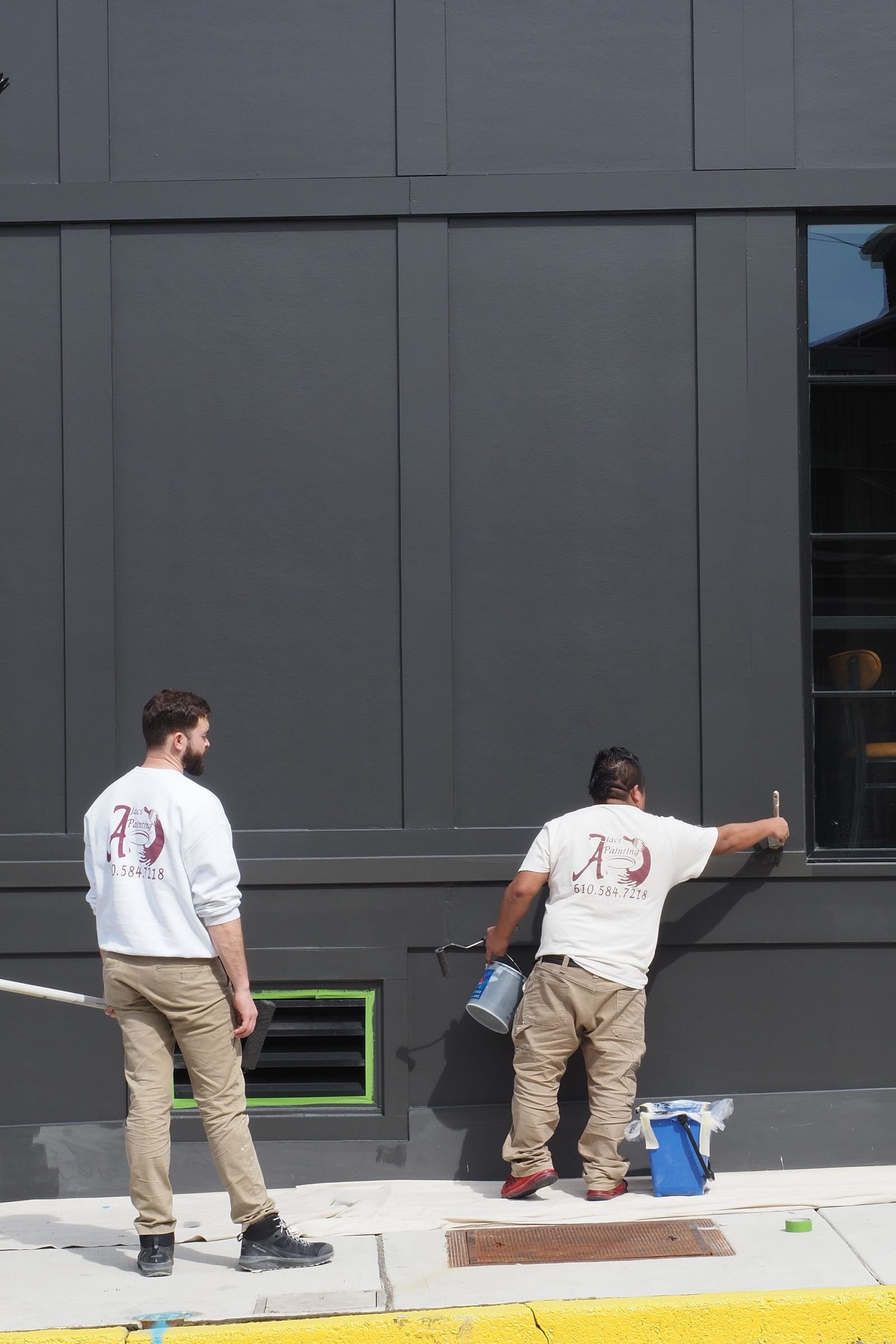
    Professional commercial painters at work on a job site

    Why the Right Contractor Matters So Much

    Commercial painting is a different trade from residential painting in ways that matter. Commercial projects are larger, often must be completed in occupied buildings, require after-hours or phased scheduling, and frequently involve specialty coatings — epoxies, elastomerics, dryfall, low-VOC systems for sensitive environments like medical offices and restaurants.

    A contractor without genuine commercial experience may underbid the project (and cut corners to make it work), disrupt your operations, or specify the wrong products for your surfaces. The checklist below helps you find a contractor equipped for the realities of commercial work.

    The 10-Point Checklist

    1. Do they specialize in commercial painting — or mostly do houses?

    Ask directly what percentage of their work is commercial. You want a contractor whose crews, equipment, scheduling systems, and product knowledge are built around commercial buildings: offices, retail, restaurants, warehouses, medical facilities, multi-family. A residential painter who “also does commercial” is a different proposition from a company that does commercial work every day.

    2. Ask about licensing and insurance — and verify the answers

    Ask every contractor you’re considering: Are you properly licensed for the work? Do you carry general liability insurance and workers’ compensation? Can you provide certificates of insurance naming your property or management company as certificate holder?

    Don’t just take verbal assurances — request the documentation. Reputable commercial contractors expect these questions and provide proof readily. If a contractor hesitates, deflects, or can’t produce current certificates, that’s a serious red flag regardless of how competitive the price looks.

    3. Insist on a detailed written quote — not a handshake number

    Every bid should be in writing and should spell out: the full scope of work (which areas, which surfaces), surface preparation steps, the specific coating products to be used (manufacturer and product line, not just “premium paint”), the number of coats, the project timeline, the total price, and payment terms.

    Vague quotes make comparison impossible. If one bid is dramatically lower than the others, the written scope will usually reveal why — less prep, fewer coats, cheaper products, or excluded areas. Compare scope first, price second.

    4. Check that the scope matches your actual needs

    A good contractor starts with a thorough walkthrough — measuring, photographing conditions, noting repairs needed, and asking about your operations and constraints. Be wary of quotes generated without a site visit, or walkthroughs that last five minutes.

    The scope should address what you actually saw together: the peeling areas, the high-traffic zones, the scheduling constraints, the surfaces that need specialty products. A detailed scope is evidence of a careful assessment.

    5. Ask how they’ll schedule around your operations

    For most Cincinnati businesses, shutting down during painting isn’t an option. Ask: Can you work nights and weekends? How do you phase large projects so parts of the building stay operational? How do you handle dust, odors, and noise in occupied spaces?

    The contractor should have clear, specific answers — not vague reassurances. After-hours and weekend work should be standard for commercial specialists, confirmed in writing as part of the proposal.

    6. Ask for references — and actually check them

    Request references from recent commercial projects similar to yours in type and size. Then call them. Ask: Did the crew show up when promised? Was the project completed on schedule? How was communication? Was the site kept clean? Would you hire them again?

    A contractor with solid commercial experience will have property managers and business owners willing to vouch for them. Reluctance to provide references — or references that are all residential — tells you something.

    7. Evaluate communication from the first contact

    Pay attention to how the contractor communicates during the bidding process, because it predicts how they’ll communicate during the project. Do they return calls promptly? Do they show up for the walkthrough on time? Is the quote clear and professional? Do they answer questions directly?

    Commercial projects involve ongoing coordination. You need a single point of contact who keeps you informed — not a crew that shows up unannounced or a project manager you can’t reach.

    8. Ask about their surface preparation process

    Prep is where commercial paint jobs succeed or fail, and it’s the easiest place for a contractor to cut corners. Ask specifically: What prep is included? How do you handle failing paint, drywall repairs, caulking, and masking? What do you do about protection for floors, furniture, and equipment?

    The answer should be detailed and confident. “We prep everything properly” isn’t a process — power washing, scraping, sanding, priming, caulking, masking, and protection should all be named explicitly in the scope.

    9. Ask what products they use — and why

    Commercial buildings need commercial-grade coatings: scrubbable finishes for high-traffic interiors, low-VOC products for occupied spaces, moisture-resistant systems for restaurants and medical facilities, durable acrylics or elastomerics for exteriors, epoxies for industrial floors.

    Ask which manufacturers and product lines they specify and why those products fit your building. A knowledgeable contractor explains the reasoning; one who can’t name products or defaults to whatever’s cheapest at the paint store is a concern.

    10. Ask about their process if something goes wrong

    Ask: What happens if I’m not satisfied with an area? How do you handle touch-ups after completion? What are your payment terms, and is final payment tied to a walkthrough sign-off?

    Clear answers — a final walkthrough, a punch-list process, reasonable payment terms tied to progress — signal a professional operation. Evasive answers, demands for large upfront payments, or no defined completion process are warning signs.

    Red Flags That Should Stop the Conversation

    • No proof of insurance, or reluctance to provide certificates
    • Quotes without a site visit, or dramatically lower than every other bid
    • No commercial references, or references you can’t verify
    • Vague scope — no named products, no prep details, no timeline
    • Pressure to sign immediately or pay a large deposit upfront
    • No clear plan for working around your operations
    • Poor communication during the bidding process itself

    Making Your Decision

    The best commercial painting contractor for your Cincinnati property isn’t necessarily the cheapest — it’s the one whose scope is most thorough, whose communication is most professional, whose references check out, and whose plan for your building makes the most sense. Use this checklist with every bidder, compare the written scopes carefully, and trust what the process tells you.

    If you’re evaluating contractors now, we’d welcome the chance to earn your business. Call (513) 930-0169 for a free walkthrough and detailed written proposal — or request your estimate online. We’ll show up on time, document everything, and give you one clear price.

  • Best Paint Colors for Offices and Workplaces

    Best Paint Colors for Offices and Workplaces

    Walk into any office and the wall color hits you before anything else does — before the furniture, before the layout, before the view out the window. For Cincinnati businesses planning an office repaint, choosing the right colors is one of the highest-impact decisions in the project. The right palette can make a space feel larger, brighter, calmer, and more professional. The wrong one can make even a well-designed office feel cramped, dated, or draining.

    This guide covers what actually matters when selecting paint colors for offices and workplaces: how color affects focus and mood, which neutrals work hardest, how to use brand colors without overwhelming a space, and the practical side — light reflectance, testing, and finishes. If you’re budgeting the project too, see our guide to commercial painting costs in Cincinnati.

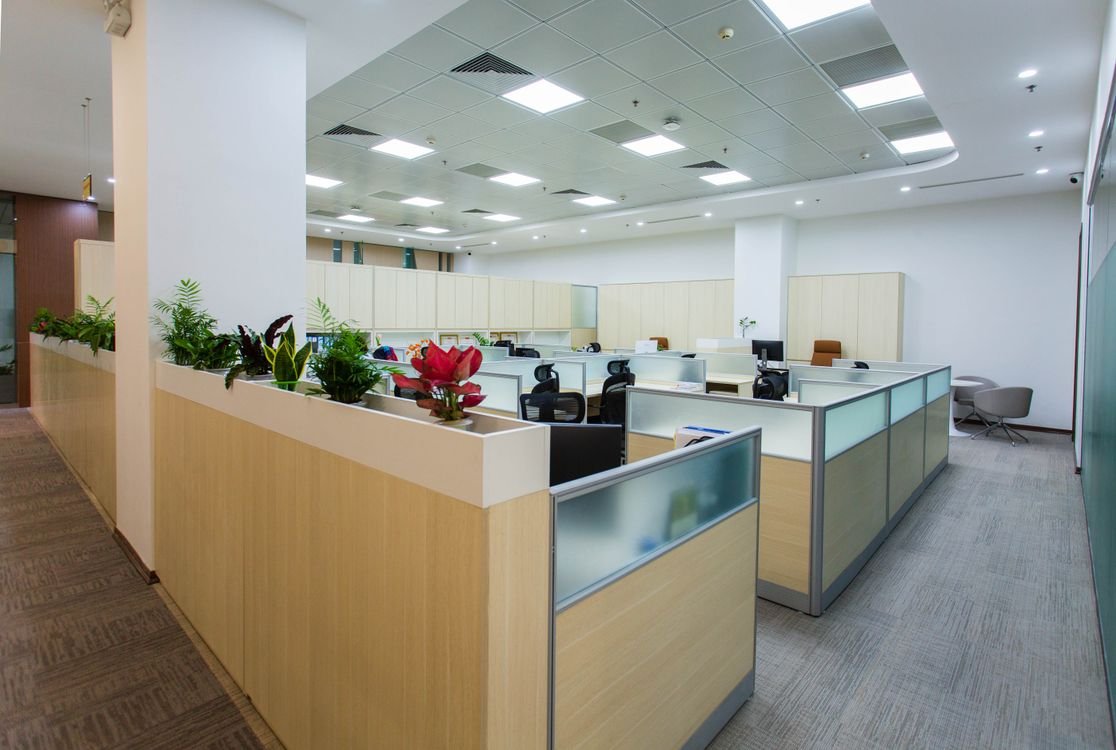
    Modern office interior with fresh neutral paint colors

    Why Office Color Choices Matter More Than You Think

    Office paint color influences three things that directly affect a business: how employees feel and perform in the space, how clients and visitors perceive the company, and how the space itself functions — its perceived size, brightness, and cleanliness.

    Employees spend eight or more hours a day surrounded by these walls. Colors that are too stark can feel clinical; colors that are too saturated can become fatiguing over a full workday. The goal is a palette people can live with comfortably for years — which is exactly why most successful office repaints lean on well-chosen neutrals with strategic accents rather than bold color everywhere.

    For visitors, wall color is part of the first impression. A law firm, a medical practice, and a creative agency might all want different things from their walls — but all of them benefit from colors that look intentional, current, and well-maintained.

    Color, Light, and Productivity: What the Research Suggests

    Color psychology in workplaces is a real field of study, and while no single color guarantees productivity, some consistent findings are worth knowing:

    • Blues and blue-grays are widely associated with focus, calm, and mental clarity — popular for offices, conference rooms, and any space where concentration matters.
    • Greens suggest balance and are easy on the eyes over long periods, making them a strong choice for large open areas.
    • Warm neutrals (warm grays, greiges, soft tans) create welcoming, comfortable environments — good for lobbies, break rooms, and client-facing areas.
    • Yellows and oranges can energize and stimulate creativity, but in large doses they can also feel chaotic — best used as accents.
    • Reds raise alertness but can increase tension over a full workday — generally reserved for small accent areas, if used at all.

    The takeaway isn’t to paint everything blue. It’s to match color intensity and temperature to what each space is for: calmer, cooler tones where people need to concentrate; warmer, more inviting tones where people gather and connect.

    The Neutrals That Work Hardest in Offices

    Most of the office repaints we do across Cincinnati — from downtown towers to Blue Ash corporate offices — are built on a foundation of neutrals. The current favorites:

    Warm grays and greiges. The workhorses of modern office design. They read as professional and current, hide minor scuffs better than stark white, and pair with almost any accent color or brand palette. Greige (gray-beige) in particular flatters both warm and cool lighting.

    Soft whites and off-whites. Still the best choice for maximizing brightness in spaces with limited natural light — common in interior offices and older Cincinnati buildings with smaller windows. Choose whites with a hint of warmth to avoid a sterile feel.

    Blue-grays. A step up in personality from plain gray while staying firmly professional. Excellent for conference rooms and executive offices.

    Warm tans and taupes. Create a welcoming, grounded feeling — well-suited to lobbies, waiting areas, and hospitality-adjacent office spaces.

    Using Brand Colors Without Overwhelming the Space

    Many Cincinnati companies want their brand reflected in their office — and it should be. But painting entire floors in a saturated brand color is rarely the right move. The strategies that work:

    • Accent walls: one brand-color wall per key space (lobby, main conference room, break room) delivers impact without fatigue.
    • Brand colors in shared spaces: lobbies, reception areas, and collaboration zones can carry more color than individual work areas.
    • Tinted neutrals: a neutral mixed with a hint of the brand color ties the whole office together subtly.
    • Keep workstations calm: the areas where people focus for hours should stay in restful neutrals.

    We can color-match brand colors precisely and keep the formulas on file for future touch-ups — so your brand wall in the lobby still matches when it needs refreshing years from now.

    Color by Space Type

    Different office zones have different jobs, and their colors can reflect that:

    Lobbies and reception: warm, welcoming, and on-brand. This is where first impressions happen — invest in the color choice here.

    Open work areas: calm neutrals — light grays, greiges, soft whites. The priority is a background that supports focus all day without visual noise.

    Conference rooms: slightly deeper tones (blue-gray, warm gray) reduce glare on screens and create a sense of focus and professionalism.

    Break rooms and kitchens: warmer and more relaxed — this is where people recharge, so the palette can be friendlier.

    Hallways and corridors: lighter colors to keep windowless corridors feeling open; durable, scrubbable finishes matter more here than anywhere.

    Private offices: can flex a bit more toward personal or departmental preference within an overall coordinated scheme.

    Light Reflectance: The Practical Side of Color

    Every paint color has a Light Reflectance Value (LRV) — the percentage of light it reflects. This matters practically, not just aesthetically:

    • Higher LRV colors (light neutrals, off-whites) bounce more light around, making spaces feel larger and brighter and potentially reducing lighting costs.
    • Lower LRV colors (deep grays, navies, dark accents) absorb light — dramatic and sophisticated, but they need adequate lighting to avoid feeling cave-like.
    • In Cincinnati offices with big windows and southern exposure, you have more freedom with deeper tones. In interior spaces lit only by fluorescents or LEDs, lighter colors almost always perform better.

    When we specify paint for an office project, we consider LRV alongside color — especially in corridors, stairwells, and other spaces where lighting is limited.

    Always Test Before You Commit

    Paint chips lie. Colors look dramatically different on a full wall, under your office’s actual lighting, at different times of day. Before committing to a color scheme:

    • Paint large test swatches (at least 2×2 feet) on the actual walls, not just sample boards.
    • Look at them in morning, midday, and evening light — and with the office lighting on and off.
    • Check how the color reads next to flooring, furniture, and any fixed finishes.
    • Live with the swatches for a few days before deciding.

    We routinely provide large-scale samples for office clients across the Cincinnati area, because a color that looks perfect on a chip can surprise you at wall scale.

    Finishes Matter Too

    Color gets the attention, but sheen affects both appearance and durability. For most office interiors: eggshell or satin on walls (scrubbable without looking shiny), semi-gloss on trim and doors, and flat or matte only in low-traffic areas like ceilings. In high-traffic corridors and break rooms, step up to scrubbable products — the color stays looking fresh far longer when the paint can actually be cleaned.

    Plan Your Office Repaint

    Choosing colors is the fun part — executing the repaint without disrupting your business is where experience counts. Our office painting service works nights and weekends across Cincinnati and Northern Kentucky, with low-VOC, low-odor products standard for occupied spaces.

    Call (513) 930-0169 for a free consultation and color guidance — or request your estimate online. We’ll bring samples, talk through options for each space, and give you one clear price for the whole project.

  • How Often Should You Repaint a Commercial Building? Timelines by Property Type

    How Often Should You Repaint a Commercial Building? Timelines by Property Type

    One of the most common questions we hear from Cincinnati property managers and building owners is deceptively simple: how often should this building be repainted? The honest answer is that it depends — on the property type, the surfaces involved, how hard the space gets used, and whether we’re talking about interior walls or the exterior envelope. But general timelines do exist, and understanding them helps you budget, plan maintenance cycles, and avoid the expensive problems that come from waiting too long.

    This guide lays out typical repaint intervals for the commercial property types we see most often across Cincinnati and Northern Kentucky. Treat these as planning benchmarks, not rigid rules — your building’s actual condition should always drive the final decision. For help budgeting the work itself, see our guide to commercial painting costs in Cincinnati.

    Freshly painted exterior of a commercial building

    Why Repaint Timing Matters for Commercial Properties

    Paint on a commercial building is doing two jobs at once. The visible job is appearance — the fresh, professional look that shapes how tenants, customers, and visitors judge your property. The invisible job is protection: coatings shield drywall from moisture and abrasion, protect exterior substrates from UV and water intrusion, and keep specialty surfaces like concrete floors and metal panels from deteriorating.

    When paint fails past the point of simple recoating, the project gets bigger. Peeling exterior paint can mean substrate repairs. Worn interior paint in a restaurant or medical office can raise hygiene concerns. Planning repaints on a sensible cycle almost always costs less than reacting to failure — and it lets you schedule the work on your terms, not as an emergency.

    Typical Repaint Timelines by Property Type

    Office Buildings

    Interior: every 3–5 years for common areas, lobbies, corridors, and restrooms; private offices with light use can often stretch to 5–7 years. High-traffic touchpoints — elevator lobbies, stairwells, conference rooms — wear fastest and may need attention on the shorter end of that range.

    Exterior: every 5–8 years depending on the substrate and exposure. Brick and EIFS hold coatings longer than wood trim or metal panels, and south- and west-facing elevations fade and chalk faster under Cincinnati’s summer sun.

    Many of the office buildings we paint along the I-275/I-71 corridors run on a rolling cycle: common areas every few years, full interiors less often, exteriors on their own longer schedule. Our office painting service is built around after-hours and weekend scheduling so repaints don’t disrupt the workday.

    Retail and Storefronts

    Interior: every 2–4 years. Retail interiors take a beating — shopping carts, fixtures being moved, constant customer traffic — and appearance directly affects sales. Most successful retailers repaint more often than the minimum.

    Exterior/storefront: every 3–5 years. Your storefront is your billboard. Faded signage bands, peeling entry doors, and chalky facades quietly tell customers the business inside may be struggling too. Shopping centers and multi-tenant retail strips in places like Mason and West Chester often coordinate facade repaints across tenants for a uniform look.

    Restaurants

    Interior: every 2–3 years, sometimes more often in dining rooms. Grease, steam, heat, and constant wiping break down interior coatings faster than in any other commercial environment. Kitchens and food-prep-adjacent walls need scrubbable, moisture-resistant coatings and the most frequent attention.

    Exterior: every 3–5 years. Curb appeal is existential for restaurants, and Cincinnati’s dining corridors — from downtown and OTR to Hyde Park and Oakley — are competitive enough that a tired exterior costs covers.

    Warehouses and Industrial Facilities

    Interior: every 3–5 years for offices and common areas; production areas, high-bay walls, and safety striping on a 2–4 year cycle depending on forklift traffic, dust, and chemical exposure. Epoxy floor coatings typically need recoating or refresh every 3–5 years in active facilities.

    Exterior: every 5–10 years. Metal panel buildings, common along the Sharonville and West Chester industrial corridors, hold quality acrylic coatings well — but panel fasteners, trim, and dock areas weather faster and deserve inspection on a shorter cycle.

    Apartments and Multi-Family

    Interior (units): every 2–3 years, typically at unit turnover. Hallways, stairwells, and common areas every 3–4 years. Turnover repaints are the industry standard in the Cincinnati rental market, and consistent unit finishes reduce vacancy time.

    Exterior: every 5–8 years. Curb appeal drives leasing, and HOA communities in particular benefit from a documented exterior maintenance cycle that protects both appearance and property values.

    Interior vs. Exterior: Different Clocks

    As the timelines above suggest, interior and exterior coatings live very different lives. Interior paint fails from abrasion, cleaning, moisture, and simple visual fatigue. Exterior paint fails from UV radiation, temperature cycling, wind-driven rain, and Cincinnati’s freeze-thaw winters — which are especially hard on exterior coatings and the substrates beneath them.

    Budget and schedule them separately. An office building might need interior common areas repainted twice before its exterior is due. Our guide to interior vs. exterior commercial painting in Cincinnati covers the timing, weather windows, and planning differences in detail.

    Signs It’s Time to Repaint — Before the Calendar Says So

    Timelines are planning tools, but condition is the real trigger. Walk your property once or twice a year and look for:

    • Fading, chalking, or uneven color — especially on sun-exposed exterior elevations
    • Peeling, blistering, or cracking paint, which signals adhesion failure and possible moisture issues
    • Scuffs, stains, and burnished spots that no longer clean up in high-traffic interiors
    • Rust bleed on metal doors, railings, and dock equipment
    • Caulk failure around windows and penetrations on exterior walls
    • A generally tired look that doesn’t match the image you want the property to project

    Catching these early usually means a straightforward repaint. Waiting until coatings fail broadly can add surface repairs, priming, and sometimes substrate work to the scope — which is exactly what a planned cycle avoids.

    Cincinnati Climate Factors That Affect Your Schedule

    Our region’s weather shapes repaint timing in a few specific ways. Humid summers slow cure times and demand the right products for moisture-prone interiors like restaurants and pools. Freeze-thaw cycles punish exterior coatings, particularly on horizontal surfaces and anywhere water ponds. And the exterior painting season effectively runs from late spring through fall — which means exterior projects need to be booked ahead, not decided in October.

    Buildings near the Ohio River in Northern Kentucky and downtown Cincinnati also see more moisture exposure and faster mildew growth on shaded exterior walls, which can shorten exterior coating life on north-facing elevations.

    Planning Your Repaint Cycle

    The property managers who spend the least on painting over a building’s life are the ones who plan the most. A simple approach: document the date and scope of every paint project, note the coating products used, schedule annual walkthrough inspections, and build repainting into your capital plan as a recurring line item using the intervals above as your starting point.

    Then get a professional assessment before each cycle. An experienced commercial painter can tell you whether your walls need a full repaint or whether targeted touch-ups and maintenance will carry you another year or two — and that honest assessment is worth more than any generic timeline.

    Request Your Free Estimate

    Not sure where your building stands in its repaint cycle? Call Cincinnati Commercial Painting at (513) 930-0169 for a free on-site assessment — or request your estimate online. We’ll walk your property, document current conditions, and give you a clear, prioritized plan with one honest price.

  • How Much Does Commercial Painting Cost in Cincinnati? A Property Manager’s Guide

    How Much Does Commercial Painting Cost in Cincinnati? A Property Manager’s Guide

    If you manage commercial property in the Cincinnati area, painting is one of those expenses that always seems to arrive sooner than expected — and the first question is always the same: how much is this going to cost? The honest answer is that commercial painting costs vary widely, because no two buildings present the same combination of size, condition, access, and scheduling demands. This guide walks through what actually drives the price, so you can budget intelligently and evaluate quotes with confidence.

    For a deeper dive into the pricing factors, see our commercial painting cost guide for Cincinnati, which breaks them down in detail.

    Freshly painted office space in a Cincinnati commercial building

    Why There’s No Single Price for Commercial Painting

    Residential painters can sometimes quote by the room. Commercial work doesn’t work that way. A 2,000-square-foot office suite with standard ceilings, sound drywall, and easy access is a fundamentally different job from a 2,000-square-foot restaurant with a 20-foot ceiling, grease-stained walls, and a kitchen that can’t shut down. Square footage is only the starting point — everything below modifies it.

    The Factors That Move Your Price

    1. Size and Scope

    Total paintable surface area — walls, ceilings, trim, doors — is the foundation of every estimate. But scope matters as much as size: are we painting walls only, or ceilings, trim, and doors too? Accent walls, color changes, and multiple colors all add labor hours.

    2. Surface Condition and Prep

    Prep is where commercial estimates diverge most. Walls in good shape need little more than cleaning and minor patching. Walls with failing paint, water damage, cracked plaster, or heavy texture need extensive repair before a finish coat goes on — and that labor shows up in the price. This is also where the cheapest quote often cuts corners, so compare prep specifications carefully, not just bottom lines.

    3. Coating Systems

    Not all paint is priced equally, and commercial work often calls for specific products: scrubbable acrylics for high-traffic corridors, low-VOC coatings for occupied offices and medical spaces, epoxy and urethane systems for industrial floors and walls. Better coatings cost more per gallon but last longer — the cheapest paint is rarely the cheapest project over its lifespan.

    4. Access and Complexity

    High ceilings, stairwells, atriums, and tight mechanical rooms all slow work down. Exterior work adds lifts, scaffolding, and weather contingencies. The harder your building is to work in and around, the more labor it takes to paint it properly.

    5. Scheduling

    After-hours and weekend work — standard for occupied offices, retail, and restaurants — requires premium labor scheduling compared to daytime work in empty buildings. Phased projects that keep your business running also take longer than all-at-once repaints. Plan your schedule early; flexibility saves money.

    Interior vs. Exterior: Different Math

    Interior commercial painting is largely about labor and finishes — the cost drivers are prep, coatings, and working around your operation. Exterior painting adds equipment (lifts, scaffolding), weather risk, and substrate repairs like rotted wood, failing caulk, and masonry issues. In Cincinnati, exterior season runs roughly late spring through fall; booking early in the season often means better scheduling flexibility. Our post on interior vs. exterior commercial painting in Cincinnati covers timing and planning in depth.

    How to Budget as a Property Manager

    Build painting into your capital and maintenance budgets as a recurring line item, not a surprise. Walk your properties annually and note deteriorating areas — catching peeling exterior paint or scuffed corridors early is always cheaper than waiting until failure. For multi-property portfolios, standardize your specifications (products, sheens, colors) so quotes are comparable and touch-ups match across locations. And keep a maintenance reserve: a planned repaint every few years beats an emergency repaint at the worst possible time. Our guide to how often commercial buildings need repainting can help you set those intervals by property type.

    Getting a Quote You Can Trust

    The only accurate price for your building comes from an on-site walkthrough — which is why our estimates are free and detailed. When you compare quotes, make sure every bidder is pricing the same scope, the same prep, and the same products. And if you’re evaluating contractors, our 10-point checklist for choosing a commercial painting contractor in Cincinnati will help you ask the right questions before you sign.

    Request Your Free Estimate

    Ready to put a real number on your project? Call Cincinnati Commercial Painting at (513) 930-0169 for a free, detailed, no-pressure estimate — or request your estimate online. We’ll walk your property, document everything, and give you one clear price.

Cincinnati Commercial Painting

Commercial Painting Services in Cincinnati, Ohio

(513) 930-0169

Service Areas

Cincinnati • Downtown Cincinnati • Blue Ash • Mason • West Chester • Montgomery • Sharonville • Springdale • Norwood • Hyde Park • Oakley • Milford • Florence KY • Covington KY • Newport KY • Northern Kentucky

© 2026 Cincinnati Commercial Painting. All rights reserved.