One of the most common questions we hear from Cincinnati property managers and building owners is deceptively simple: how often should this building be repainted? The honest answer is that it depends — on the property type, the surfaces involved, how hard the space gets used, and whether we’re talking about interior walls or the exterior envelope. But general timelines do exist, and understanding them helps you budget, plan maintenance cycles, and avoid the expensive problems that come from waiting too long.
This guide lays out typical repaint intervals for the commercial property types we see most often across Cincinnati and Northern Kentucky. Treat these as planning benchmarks, not rigid rules — your building’s actual condition should always drive the final decision. For help budgeting the work itself, see our guide to commercial painting costs in Cincinnati.
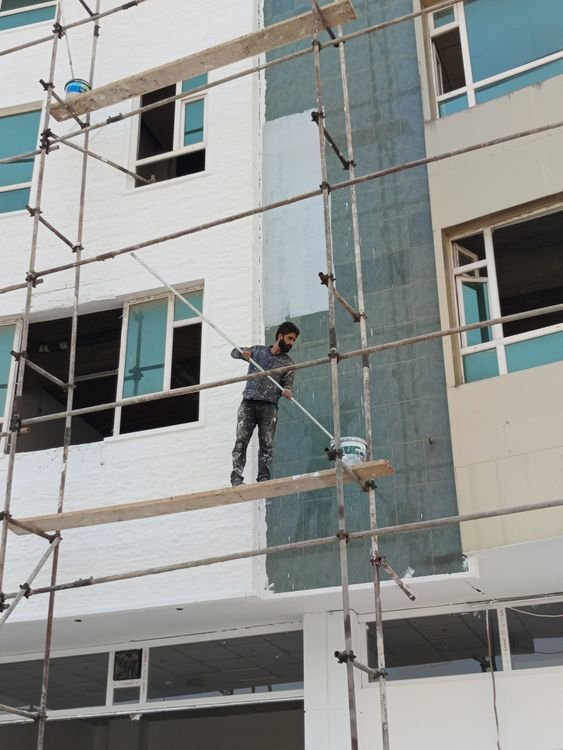
Why Repaint Timing Matters for Commercial Properties
Paint on a commercial building is doing two jobs at once. The visible job is appearance — the fresh, professional look that shapes how tenants, customers, and visitors judge your property. The invisible job is protection: coatings shield drywall from moisture and abrasion, protect exterior substrates from UV and water intrusion, and keep specialty surfaces like concrete floors and metal panels from deteriorating.
When paint fails past the point of simple recoating, the project gets bigger. Peeling exterior paint can mean substrate repairs. Worn interior paint in a restaurant or medical office can raise hygiene concerns. Planning repaints on a sensible cycle almost always costs less than reacting to failure — and it lets you schedule the work on your terms, not as an emergency.
Typical Repaint Timelines by Property Type
Office Buildings
Interior: every 3–5 years for common areas, lobbies, corridors, and restrooms; private offices with light use can often stretch to 5–7 years. High-traffic touchpoints — elevator lobbies, stairwells, conference rooms — wear fastest and may need attention on the shorter end of that range.
Exterior: every 5–8 years depending on the substrate and exposure. Brick and EIFS hold coatings longer than wood trim or metal panels, and south- and west-facing elevations fade and chalk faster under Cincinnati’s summer sun.
Many of the office buildings we paint along the I-275/I-71 corridors run on a rolling cycle: common areas every few years, full interiors less often, exteriors on their own longer schedule. Our office painting service is built around after-hours and weekend scheduling so repaints don’t disrupt the workday.
Retail and Storefronts
Interior: every 2–4 years. Retail interiors take a beating — shopping carts, fixtures being moved, constant customer traffic — and appearance directly affects sales. Most successful retailers repaint more often than the minimum.
Exterior/storefront: every 3–5 years. Your storefront is your billboard. Faded signage bands, peeling entry doors, and chalky facades quietly tell customers the business inside may be struggling too. Shopping centers and multi-tenant retail strips in places like Mason and West Chester often coordinate facade repaints across tenants for a uniform look.
Restaurants
Interior: every 2–3 years, sometimes more often in dining rooms. Grease, steam, heat, and constant wiping break down interior coatings faster than in any other commercial environment. Kitchens and food-prep-adjacent walls need scrubbable, moisture-resistant coatings and the most frequent attention.
Exterior: every 3–5 years. Curb appeal is existential for restaurants, and Cincinnati’s dining corridors — from downtown and OTR to Hyde Park and Oakley — are competitive enough that a tired exterior costs covers.
Warehouses and Industrial Facilities
Interior: every 3–5 years for offices and common areas; production areas, high-bay walls, and safety striping on a 2–4 year cycle depending on forklift traffic, dust, and chemical exposure. Epoxy floor coatings typically need recoating or refresh every 3–5 years in active facilities.
Exterior: every 5–10 years. Metal panel buildings, common along the Sharonville and West Chester industrial corridors, hold quality acrylic coatings well — but panel fasteners, trim, and dock areas weather faster and deserve inspection on a shorter cycle.
Apartments and Multi-Family
Interior (units): every 2–3 years, typically at unit turnover. Hallways, stairwells, and common areas every 3–4 years. Turnover repaints are the industry standard in the Cincinnati rental market, and consistent unit finishes reduce vacancy time.
Exterior: every 5–8 years. Curb appeal drives leasing, and HOA communities in particular benefit from a documented exterior maintenance cycle that protects both appearance and property values.
Interior vs. Exterior: Different Clocks
As the timelines above suggest, interior and exterior coatings live very different lives. Interior paint fails from abrasion, cleaning, moisture, and simple visual fatigue. Exterior paint fails from UV radiation, temperature cycling, wind-driven rain, and Cincinnati’s freeze-thaw winters — which are especially hard on exterior coatings and the substrates beneath them.
Budget and schedule them separately. An office building might need interior common areas repainted twice before its exterior is due. Our guide to interior vs. exterior commercial painting in Cincinnati covers the timing, weather windows, and planning differences in detail.
Signs It’s Time to Repaint — Before the Calendar Says So
Timelines are planning tools, but condition is the real trigger. Walk your property once or twice a year and look for:
- Fading, chalking, or uneven color — especially on sun-exposed exterior elevations
- Peeling, blistering, or cracking paint, which signals adhesion failure and possible moisture issues
- Scuffs, stains, and burnished spots that no longer clean up in high-traffic interiors
- Rust bleed on metal doors, railings, and dock equipment
- Caulk failure around windows and penetrations on exterior walls
- A generally tired look that doesn’t match the image you want the property to project
Catching these early usually means a straightforward repaint. Waiting until coatings fail broadly can add surface repairs, priming, and sometimes substrate work to the scope — which is exactly what a planned cycle avoids.
Cincinnati Climate Factors That Affect Your Schedule
Our region’s weather shapes repaint timing in a few specific ways. Humid summers slow cure times and demand the right products for moisture-prone interiors like restaurants and pools. Freeze-thaw cycles punish exterior coatings, particularly on horizontal surfaces and anywhere water ponds. And the exterior painting season effectively runs from late spring through fall — which means exterior projects need to be booked ahead, not decided in October.
Buildings near the Ohio River in Northern Kentucky and downtown Cincinnati also see more moisture exposure and faster mildew growth on shaded exterior walls, which can shorten exterior coating life on north-facing elevations.
Planning Your Repaint Cycle
The property managers who spend the least on painting over a building’s life are the ones who plan the most. A simple approach: document the date and scope of every paint project, note the coating products used, schedule annual walkthrough inspections, and build repainting into your capital plan as a recurring line item using the intervals above as your starting point.
Then get a professional assessment before each cycle. An experienced commercial painter can tell you whether your walls need a full repaint or whether targeted touch-ups and maintenance will carry you another year or two — and that honest assessment is worth more than any generic timeline.
Request Your Free Estimate
Not sure where your building stands in its repaint cycle? Call Cincinnati Commercial Painting at (513) 930-0169 for a free on-site assessment — or request your estimate online. We’ll walk your property, document current conditions, and give you a clear, prioritized plan with one honest price.
Leave a Reply